There was a time when restaurant loyalty was relatively simple.
Guests collected points.
Earned rewards.
Returned for a free meal after a certain number of visits.
For many restaurants, loyalty programmes existed alongside reservations, payments and marketing campaigns, operating as separate initiatives.
Today, loyalty looks very different.
It can influence where diners choose to eat, personalise the booking experience, recognise returning guests across multiple venues, encourage repeat visits and even support operational decision-making.
Over the past few months, we’ve noticed a growing number of announcements across the restaurant technology ecosystem pointing in the same direction. Reservation platforms, loyalty providers and hospitality software companies are all expanding the role loyalty plays within their products.
This article brings together some of those observations. It doesn’t attempt to rank loyalty platforms or predict the future. Instead, it highlights five developments that may help hospitality technology providers better understand how restaurant loyalty is evolving.
1. Loyalty begins before the first visit
Traditionally, loyalty programmes rewarded guests after they had already become customers.
Increasingly, they influence where diners decide to eat in the first place.
Tablein reported that 41% of customers are more likely to choose restaurants where they are already members of a loyalty programme, suggesting that loyalty can shape restaurant selection before a reservation is even made.
A similar evolution can be seen in product development.
OpenRice integrated the S⁺ REWARDS programme directly into its restaurant discovery platform, allowing diners to discover restaurants and earn rewards within the same experience.
Rather than sitting at the end of the guest journey, loyalty is increasingly becoming part of the beginning.
2. Personalisation is replacing generic rewards
Restaurants have always wanted regular customers.
Increasingly, they also want to recognise them.
OpenTable partnered with Loyalist to help restaurant groups build a unified view of their guests across multiple venues, making it easier to personalise future visits.
Now Book It reported that 72% of customers are more likely to return when offered a personalised experience, reinforcing the growing importance of recognising guest preferences rather than simply offering standard rewards.
These developments suggest that successful loyalty strategies increasingly depend on understanding individual guests rather than treating every customer the same.
3. Guest data is becoming the foundation of loyalty
As loyalty becomes more personalised, guest data is becoming increasingly important.
Several recent announcements illustrate this shift.
PAR Technology launched PAR Retail Drive™ AI, designed to automate loyalty execution and strategic planning by bringing together digital and physical guest interactions.
Olo also introduced its first integrated loyalty solution alongside automated menu availability and operational enhancements, embedding guest retention directly into its broader restaurant platform.
Rather than operating as standalone reward programmes, loyalty capabilities are increasingly becoming part of connected restaurant technology platforms.
4. Loyalty is becoming measurable
While loyalty programmes have long aimed to encourage repeat business, technology is making their impact easier to quantify.
Weeloy reported that loyalty programmes can increase guest visit frequency by 20% to 35%, highlighting the measurable relationship between guest engagement and repeat visits.
The same trend can be seen in other areas of the guest journey.
SevenRooms reported that offering prepaid upgrades during the booking process can increase revenue per cover by 16%, while Tablein found that 30% of guests purchase add-ons when they are offered during booking, increasing average spend by 10%.
Although these initiatives address different stages of the guest experience, they all illustrate how restaurants are increasingly measuring long-term guest value rather than focusing solely on individual transactions.
5. Loyalty is becoming part of a connected guest journey
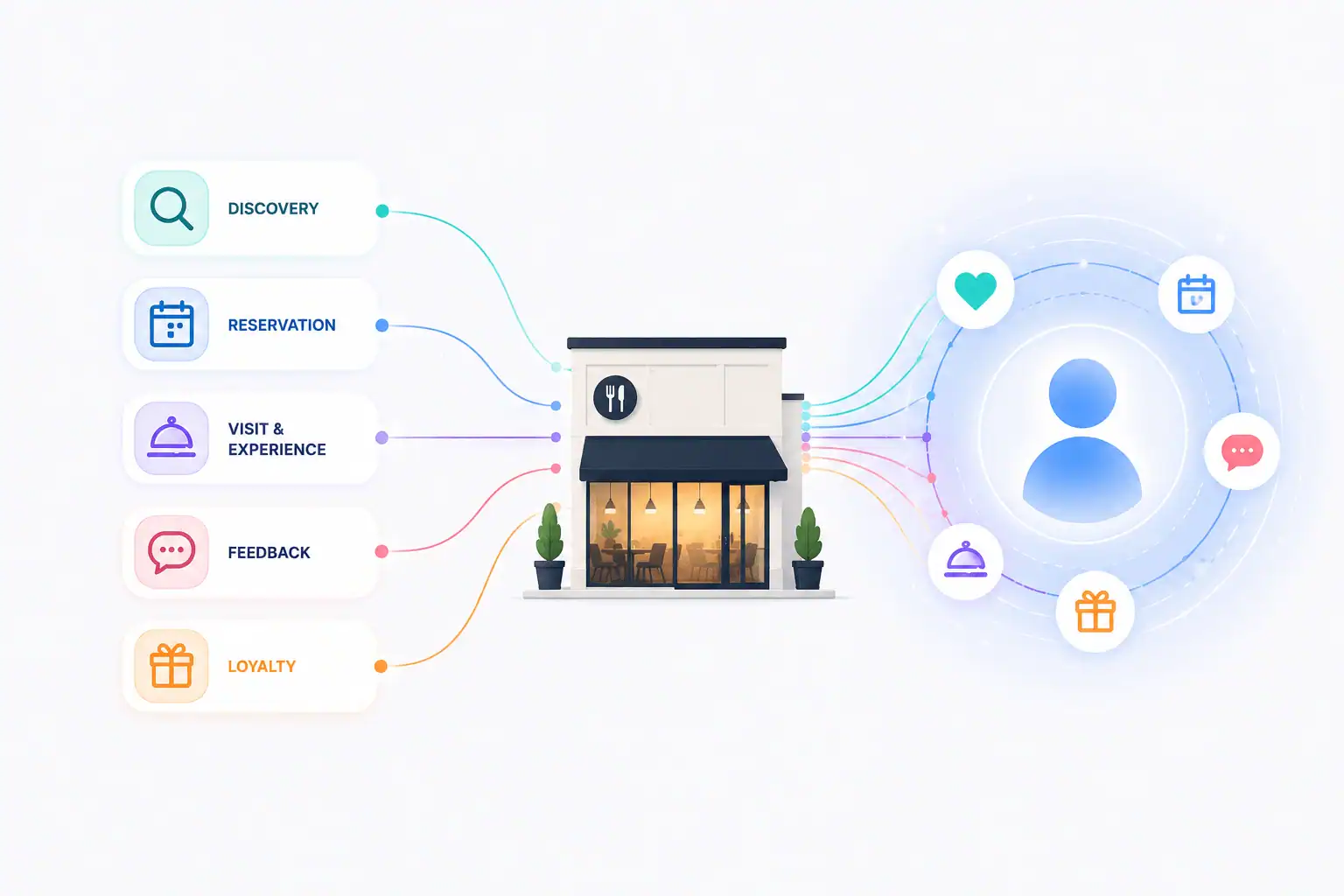
Perhaps the biggest change is that loyalty is no longer confined to a single application.
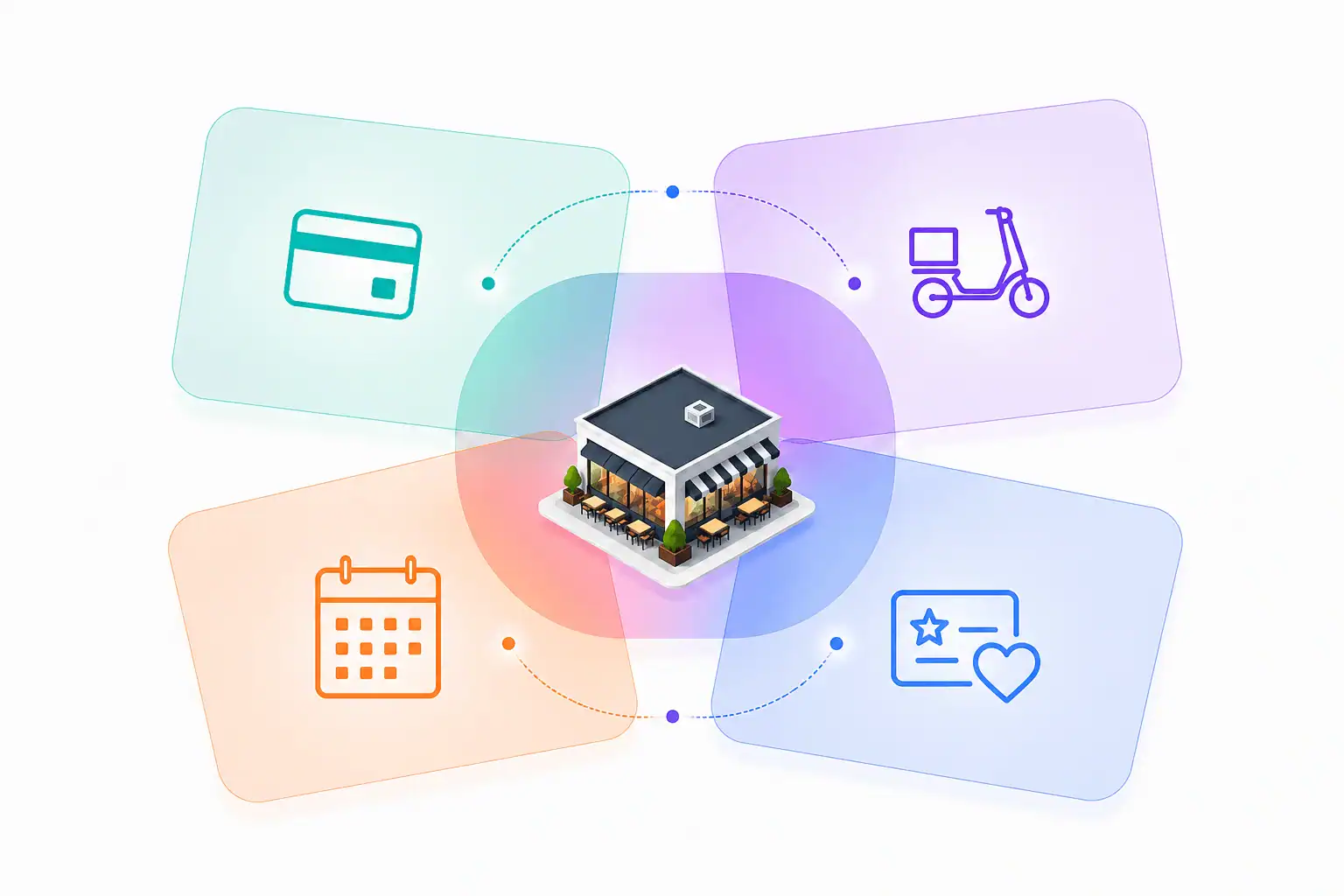
Restaurant discovery, reservations, guest profiles, payments and post-visit engagement are becoming increasingly connected.
Recent announcements from OpenRice, OpenTable, PAR Technology, Olo and Weeloy all point towards the same direction: loyalty is evolving from a standalone marketing programme into a connected layer that spans the entire guest journey.
As hospitality technology continues to evolve, loyalty is increasingly becoming less about points and rewards, and more about creating consistent guest experiences across multiple interactions.
Looking ahead
Restaurant loyalty is no longer simply about encouraging diners to come back.
It is becoming a way to recognise guests, personalise experiences, connect data across systems and strengthen long-term relationships.
These developments illustrate a broader evolution taking place across the restaurant technology ecosystem.
As loyalty becomes increasingly connected to discovery, reservations, guest identity and operations, hospitality technology providers will continue looking for ways to deliver more seamless and personalised guest experiences.
Sources
Restaurant loyalty and guest engagement
- Tablein — 41% of customers are more likely to choose restaurants where they are members of a loyalty programme.
- OpenRice — S⁺ REWARDS integration.
- OpenTable — Loyalist unified guest profiles.
- Now Book It — 72% of customers are more likely to return when offered a personalised experience.
- PAR Technology — PAR Retail Drive™ AI.
- Olo — Integrated loyalty solution.
- Weeloy — Loyalty programmes increase guest visit frequency by 20–35%.
- SevenRooms — Prepaid booking upgrades increase revenue per cover by 16%.
- Tablein — Booking add-ons: 30% purchase rate and 10% higher average spend.
About this article
This article is part of Mozrest Ecosystem Insights, a series exploring how the restaurant technology ecosystem is evolving.
Rather than commenting on individual announcements, Mozrest analyses publicly available research, product launches and partnerships from across the industry to identify recurring developments that may help restaurant technology providers better understand the market. The observations presented are evidence-based and intended to encourage discussion rather than provide market forecasts.
This article will be updated as new developments emerge across the restaurant technology ecosystem.